



1- Take your time when starting your zero waste journey
“It’s better to go step by step and not rush into decisions. Unlike what Camille recommended, I didn’t start with my closet but with my bathroom. It was easy — it used to be just a broom closet! I really took it one small step at a time so I wouldn’t get discouraged, and to me, that’s the most important thing to keep in mind,” says Mélanie.
Indeed, changing habits is no small feat, and taking the first step is often the hardest part, even when intentions are good. So let’s stop feeling guilty: going zero waste is not a race to perfection!

Use metal containers to store your kitchen goods — ideally homemade!
2- Declutter regularly
“I always ask myself the same questions when sorting: Is this item useful? Does it bring me joy? Do I use it often enough to keep it? If yes: I keep it. If not: I donate, sell, or recycle it. If I’m unsure: I give it a 3- to 4-month grace period,” Mélanie explains.
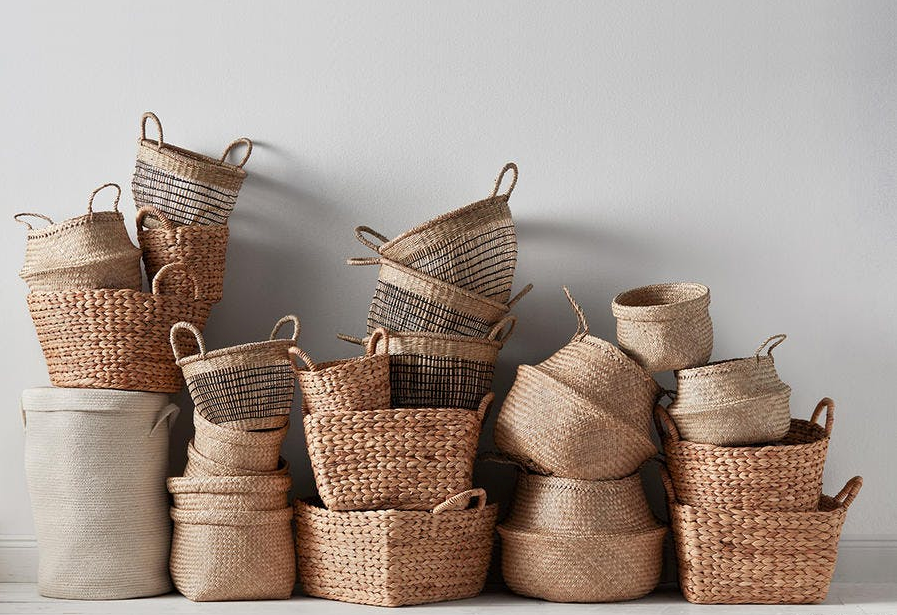
“When we moved, we did a major declutter, sold items at flea markets, and donated a lot. Tip: use pretty baskets to sort in style!”
 3- Go zero waste: consume less, but better
Turn your home into a cozy haven with the latest tips and practical advice.
“I prefer ethical, durable, recyclable, and local purchases. It takes more thought, but it helps you step back and stop compulsive buying. Finding the right piece — fashion, beauty, or home — takes time. But the reward is less material and mental clutter!” says Aude.
And an unexpected bonus noted by many minimalists: less time spent tidying and cleaning!
4- Reorganize your space
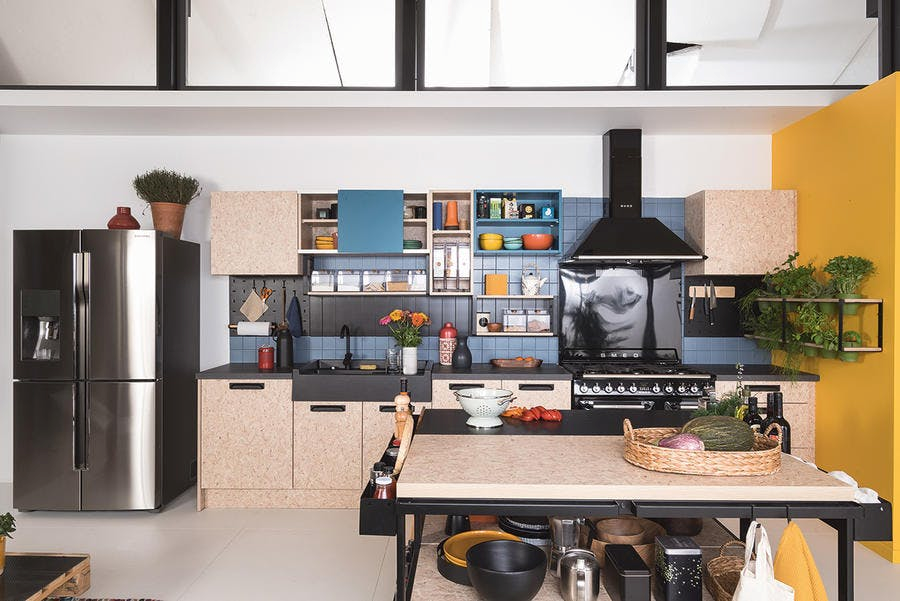
“In our kitchen, we chose open shelves so everything is within reach and only kept the essentials. When there’s too much, it’s impossible to tidy up and chaos takes over,” laughs Aude.
 5- Reduce your storage
“In our home, we deliberately limited storage space to avoid the temptation to fill it. Having a place to store ‘nothing’ seems impossible, but having less storage to avoid unnecessary accumulation is much easier,” says Aude.
Contrary to popular belief, more storage doesn’t mean better organization — it often leads to keeping more useless stuff. The solution? Invest only in what’s necessary!
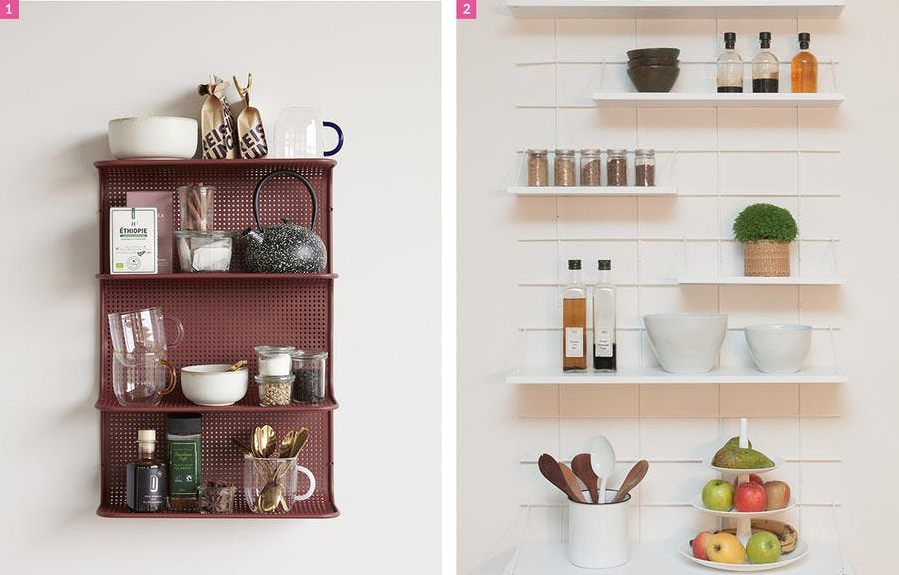
- Perforated metal shelf.
- Modular and customizable shelving system on a wall base in brass or white or black metal.
6- Limit temptation
“We’re constantly being pushed to consume more. Unsubscribe from mailing lists, refuse flyers, and choose nature walks over malls. In short, eliminate temptations and reflect on areas where small changes can make a difference.”
7- Practice conscious consumption
“Going zero waste made me realize that owning tons of stuff doesn’t make me happy — or if it does, it’s fleeting. Now, I always ask myself before buying: Do I already own something similar? Could I rent or borrow it instead? And if I really need it, is it better to invest in a high-quality ethical item than a cheap, short-lived one?”
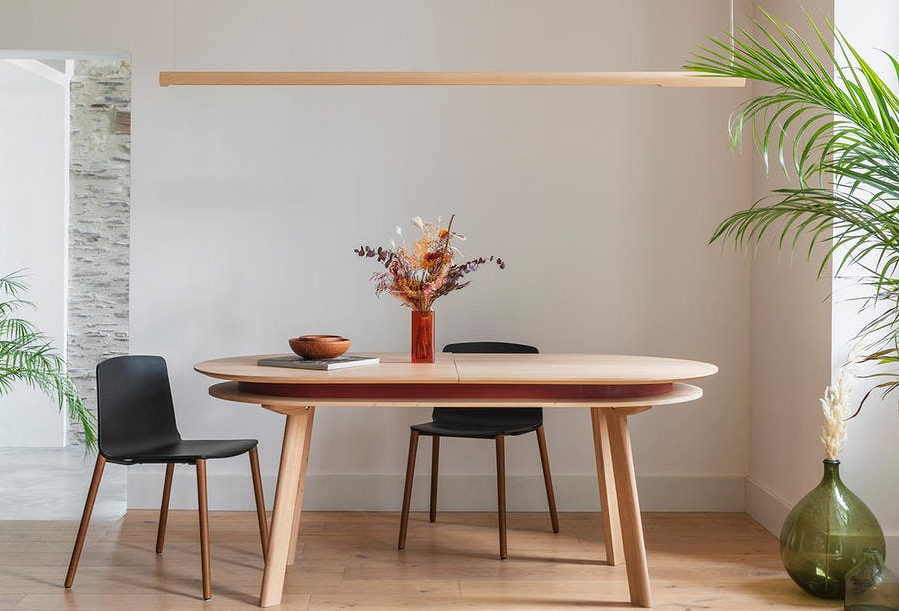
Dining table made from French sustainably managed oak
8- Think long-term, not instant gratification
“We need to think about how our actions affect others. Every action, word, and personal gesture has an impact,” Aude emphasizes. In short, look beyond yourself — every small individual effort matters.
9- Embrace second-hand and DIY
“My apartment is a mix of items found on the street or given to me by neighbors… I rarely buy new unless it’s ethically and sustainably made. Sometimes, I even make what I need myself,” says Mélanie.
Industrial furniture, often loaded with harmful substances like formaldehyde (a common allergen), is a major source of indoor pollution.
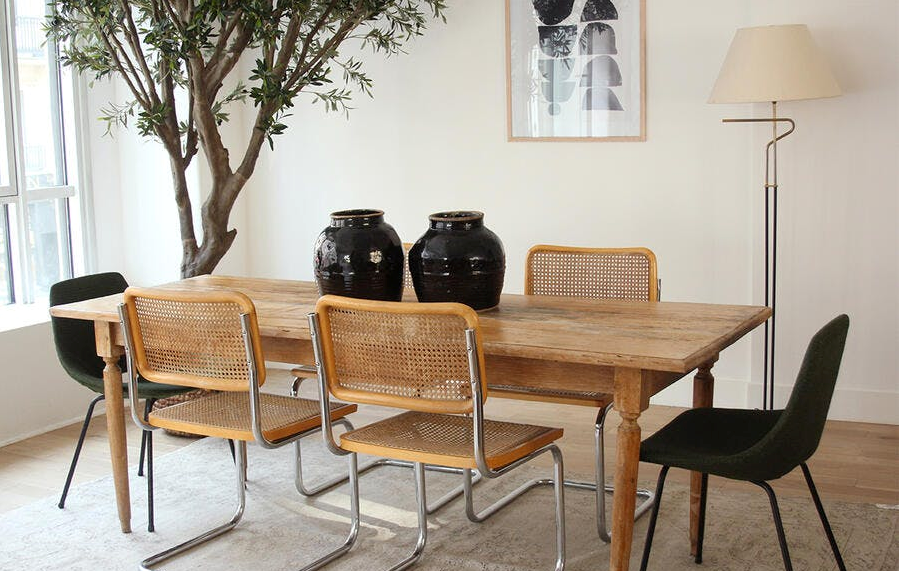
Vintage lovers appreciate unique pieces, whether design classics like Marcel Breuer chairs or more traditional finds like a rustic farmhouse table.
10- Use jars everywhere
“My kitchen is full of jars — for dry foods, teas, brushes, cleaning products, even for storing fresh veggies in water to keep them from wilting,” says Mélanie.
Use glass jars like Le Parfait — they’re hygienic and stylish. Another trick to cut plastic: replace cling film with beeswax


